


The stock prices of the American Big Oil giants are up about 30% this year as global oil spiked to $100 per barrel—the highest since after Russia invaded Ukraine. But liquefied natural gas (LNG) prices also have skyrocketed, as have refining profit margins for gasoline, diesel, and jet fuel. So there are big winners throughout the industry, from Exxon to LNG exporters Cheniere Energy and Venture Global to refiners such as Valero Energy, Marathon Petroleum, and Phillips 66.
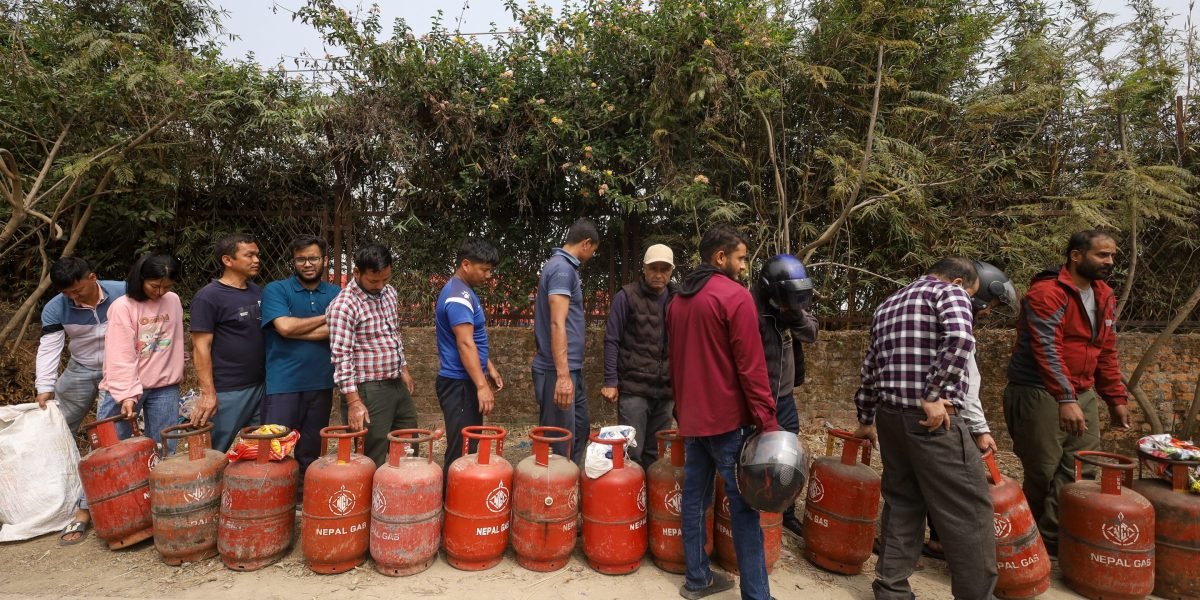
The average price of a gallon of regular unleaded gasoline is above $3.60 and rising in the U.S.—up 32% since its January low—but that’s nothing compared to the Asian nations suffering from long lines for fuel and shortened work weeks because of their greater reliance on Middle Eastern oil and Qatari LNG.
The U.S. and other countries are rolling out record levels of emergency, reserve oil barrels, but those will take months to slowly release while the world is without 20% of its daily oil and LNG supplies trapped within the bottlenecked Strait of Hormuz next to Iran.
“The U.S. is the biggest producer in the world, and our supplies are not bottlenecked,” said oil forecaster Dan Pickering, founder of the Pickering Energy Partners consulting and research firm. “So [American producers’] financial results are absolutely going to benefit from this. That’s a lot different than if you’re in the Middle East with production that can’t move.”
The stock values of American energy companies contrast with the deflated values of the Dow Jones Industrial Average and the S&P 500, down 5% and 2%, respectively, in a month. Talk of both inflation and so-called stagflation are mounting again as the war drags on.
At the same time, the U.S. benchmark for crude oil pricing is up a whopping 70% since the beginning of the year when the industry was still concerned about weaker prices and global oil oversupplies. All the talk had been on utility prices replacing prices at the pump as the new political bellwether in a midterm election year, but now fuel prices are skyrocketing as well.
As such, industry leader Exxon’s market cap it up nearly 30% this year to a new high of $643 billion. Chevron is up over 30% to almost $400 billion. Occidental Petroleum, which was struggling in market performance, is up 43% this year.
The fastest-growing U.S. LNG exporter, Venture Global, is watching its stock jump 92% since Jan. 1. Leading natural gas pipeline firm, Williams, saw its market cap hit a new high of $92 billion.
And top refineries, which can help supply fuels to the world, have market caps that have risen from almost 40% to nearly 50% this year. Valero, Marathon, and Phillips 66 all have market caps above $70 billion now—all at record highs.
The companies themselves aren’t saying much because of the heightened geopolitical tensions and the reluctance of talking about benefiting financially from war and the pinched pennies of consumers. Exxon did not respond to requests for comment, while Chevron declined comment except to say that it’s focused on the safety of its employees and assets.
But Venture Global CEO Mike Sabel did comment during his March 2 earnings call that VG has the “most available cargoes” to sell on the spot market. And because Venture Global owns a lot of its tanker fleet, it doesn’t need to cover higher tanker costs.
“There are markets in Asia that are also heavily reliant on Qatar supply. Every day that ships can’t flow through, that creates a lot of backup and incremental demand,” Sabel said. “We’re uniquely able to move cargoes with our own vessels in this market.”
